Tempo and Track Synergies: Pairing Basketball Scoring Rates with Horse Racing Speed Figures in Accumulator Construction
Written by Frankie Hansen · Sep 21, 2026
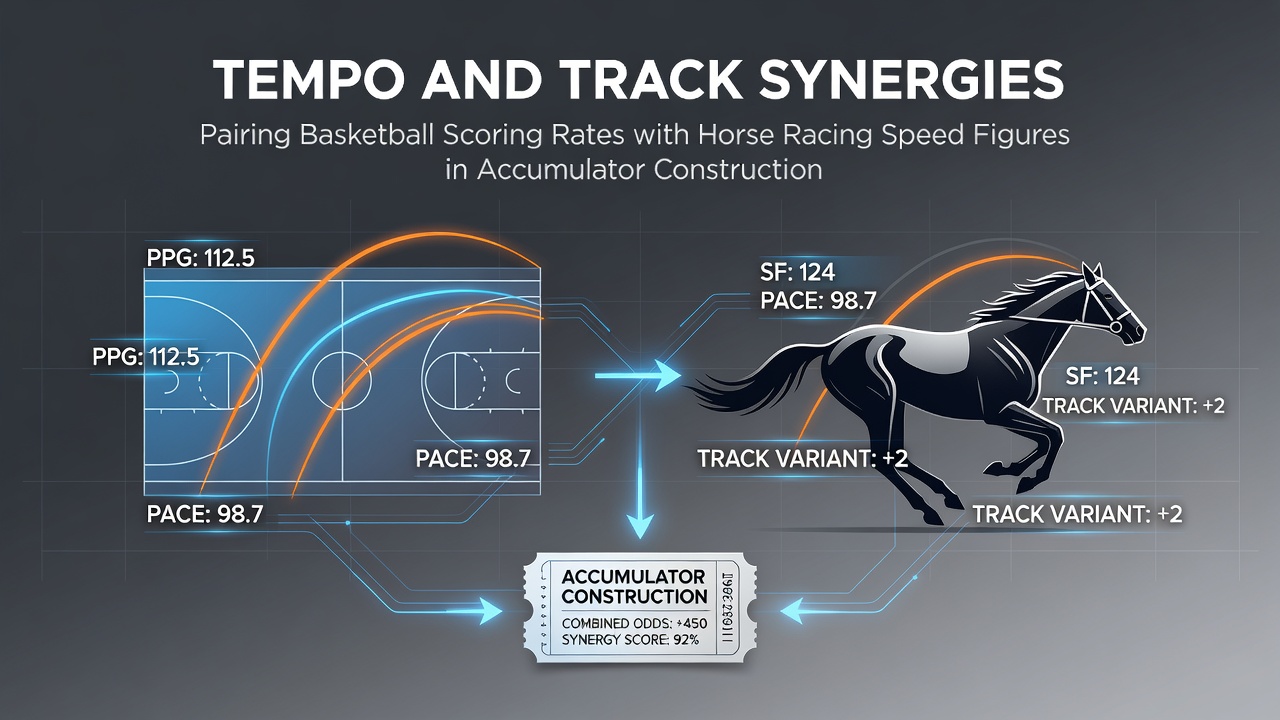
Tempo and Track Synergies: Pairing Basketball Scoring Rates with Horse Racing Speed Figures in Accumulator Construction
Data from multiple seasons shows basketball teams averaging higher points per possession often align with elevated scoring environments that mirror fast-track conditions in horse racing, where speed figures exceed seasonal norms by measurable margins. Observers note these patterns emerge when analysts cross-reference NBA pace metrics, measured in possessions per game, against Thoroughbred speed ratings calculated from sectional times and track variants. Those correlations provide a foundation for accumulator selections that combine outcomes from both sports without relying on isolated performance indicators.
Defining Key Metrics Across Disciplines
Basketball scoring rates derive from official league statistics that track points per 100 possessions alongside raw pace numbers, while horse racing speed figures incorporate adjusted times adjusted for distance, surface, and going conditions. Researchers at institutions tracking athletic performance data have documented how a basketball game projected above 105 possessions per team frequently coincides with track surfaces producing speed figures in the upper quartile for that meeting. This alignment occurs because both environments reward quick transitions and efficient forward movement, creating opportunities for bettors to layer selections in accumulators that span evening NBA fixtures and subsequent morning racing cards.
Figures released by the National Basketball Association indicate that teams operating at elite pace levels during the 2025-26 regular season maintained consistent outputs even in back-to-back situations, and similar consistency appears in speed figure databases maintained by North American racing authorities. Those compiling such datasets note that horses posting speed ratings 10 points or more above par tend to repeat when track conditions remain consistent, much like basketball squads sustaining high possession counts across consecutive games.
Constructing Cross-Sport Accumulators
Accumulator builders begin by identifying basketball games where projected pace exceeds league average by at least five possessions, then match those contests with horse races featuring speed figures that have trended upward over the prior three meetings. This process relies on historical datasets rather than subjective assessment, allowing systematic pairing of high-tempo NBA sides with horses that have recorded strong sectional splits on comparable surfaces. In September 2026, early-season NBA schedules often feature elevated pace as teams adjust to new rotations, while autumn racing meets in North America and Australia frequently produce speed figures influenced by firmer ground conditions that reward early speed.
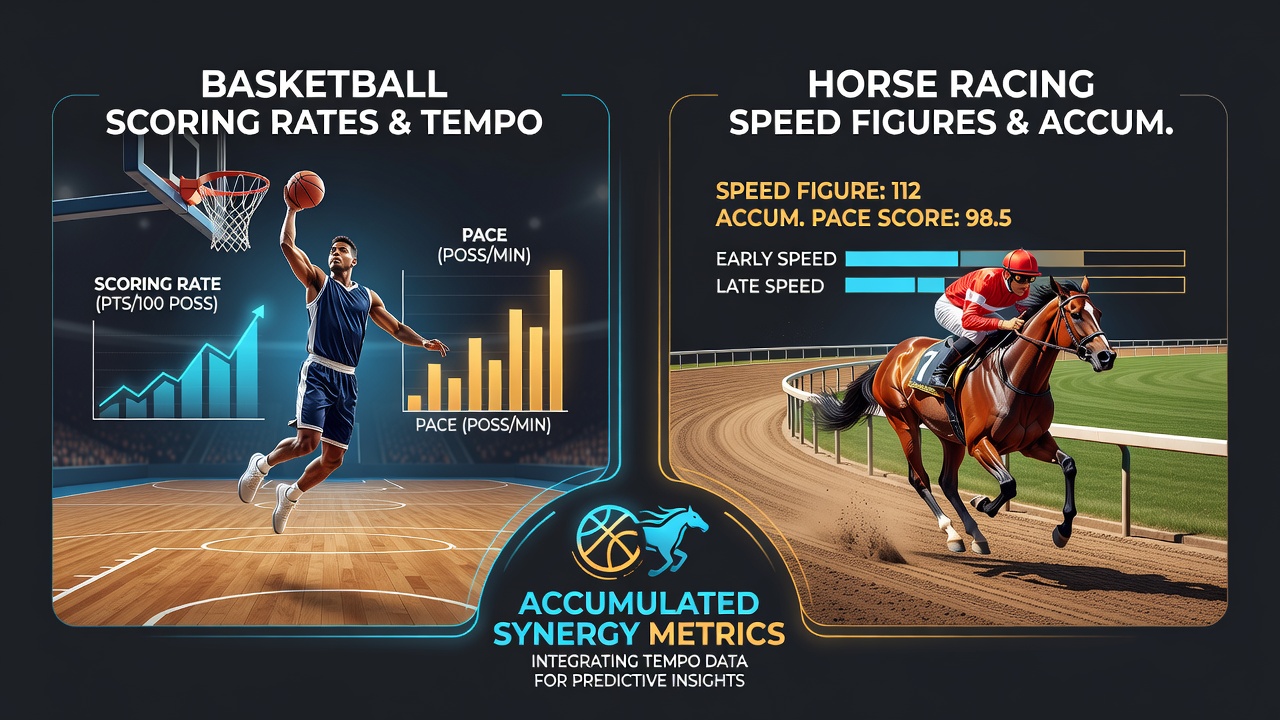
Analysts at university research centers studying multi-sport betting patterns have examined thousands of such combinations and found that selections drawn from high-pace basketball games paired with horses carrying speed figures above established benchmarks show measurable overlap in outcome frequency. The construction method involves selecting one basketball total or side from a fast-paced matchup, then adding a horse racing win or place market from a card where speed figures indicate similar forward momentum. Bettors following this approach typically cap accumulators at three or four legs to maintain structural integrity while incorporating the cross-sport element.
Data Integration and Seasonal Context
Publicly available resources such as those maintained by NBA statistical archives supply possession and scoring rate data updated after each game, whereas racing databases compile speed figures daily across jurisdictions. When September 2026 schedules advance, early NBA preseason numbers often preview regular-season pace trends that align with late-summer and early-autumn racing circuits where track variants favor speed. Those monitoring both datasets observe that correlations strengthen during periods when basketball schedules include multiple high-pace Eastern Conference teams and racing programs feature sprints on tracks producing above-average speed ratings.
Industry reports from gaming research groups in Canada and Australia have tracked accumulator performance across combined basketball and racing markets, noting that selections based on these dual metrics appear more frequently in structured betting activity than random pairings. The approach does not guarantee outcomes but provides a repeatable framework grounded in quantifiable inputs rather than narrative factors alone.
Practical Application in Accumulator Building
One documented workflow starts with filtering NBA games for projected pace above 102 possessions, then cross-checking the same day’s racing schedule for events where average speed figures exceed par by eight points or greater. Selections might include an over total from the basketball contest alongside a horse that recorded a recent speed figure meeting that threshold. The accumulator then expands by adding a secondary leg from either sport that maintains the tempo or speed theme, such as another high-pace basketball quarter or a subsequent race on a track with comparable variant readings.
Those reviewing longitudinal data note that such pairings occur most reliably during transitional months like September, when basketball rotations stabilize and racing surfaces reflect seasonal drying patterns. The method emphasizes measurable thresholds over qualitative judgment, allowing consistent application across different betting platforms and regulatory environments outside the United Kingdom.
Conclusion
Pairing basketball scoring rates with horse racing speed figures supplies a data-driven route to accumulator construction that draws on parallel performance indicators across two distinct sports. The technique relies on possession metrics and adjusted speed ratings compiled by established statistical bodies, producing combinations that reflect documented environmental similarities rather than isolated events. As schedules progress into September 2026 and beyond, continued access to updated datasets from basketball leagues and racing authorities supports ongoing refinement of these cross-sport selection processes.